Consent
For all ages
What is consent? At a basic level, consent is the practice of asking permission and respecting another’s wishes before doing an action. We might be familiar with it in sexual and or romantic relationships, but consent goes beyond that to include platonic touch and actions.
The FRIES acronym can help you remember what consent means more fully. Consent must be:
Freely Given: There must be no coercion or force involved. This can be physical, emotional, sexual, or social. If there is a power differential in the relationship, this must be especially considered.
Reversible: All parties involved must always be able to say “no” or “stop” at any time, regardless of whether they have engaged in this activity before, or agreed to it earlier.
Informed: You cannot consent if you don’t know what you’re doing. Similar to Specific (see below), you should know what you’re doing before you can agree. If a friend asks you to hang out and you say yes before knowing what “hanging out” means, you have not given informed consent.
Enthusiastic: This is beyond “no means no.” If the person is not giving you a quick and easy yes, it is not a yes.
Specific: You cannot consent if you don’t know what you’re doing. Similar to Informed (see above), you should know exactly what you’re doing before you can agree. Not general or “the gist,” but explicit and concrete information to which you’re agreeing.
As Unitarian Universalists, we hold love at the heart of all of our values. You cannot share or show love without deeply valuing and engaging with consent.
Birth through Kindergarten
Consent and The Littlest Humans
Consent is something that can and should be discussed and learned from birth. This might look, sound, or feel different than consent education later on, but it lays a crucial foundation.
When changing a baby’s diaper, you can verbally tell the baby what you’re doing and why you’re doing it (to keep them clean and comfortable, but also healthy and safe). When dressing a baby or toddler you can also verbalize what and who can touch them and why (parents/caregivers and medical providers, but not strangers or others). When teaching a baby/toddler their body parts, making sure they know the anatomical names for all body parts—not just their fingers and toes—is crucial information that can reduce the risk of abuse as they get older.
This is also an excellent time to talk to family and friends about asking before hugging your child. Allowing your toddler and preschooler the autonomy and practice of hearing people ask before hugging them will set them up later in life to know they can and should expect people to ask before touching them (even and especially beloved grandparents).
Resources
Click on the book cover image to go to a link with details and to purchase each book. You can also check your local library for titles.
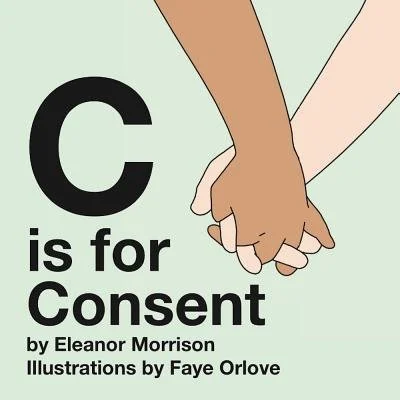
By Eleanor Morrison, Faye Orlove
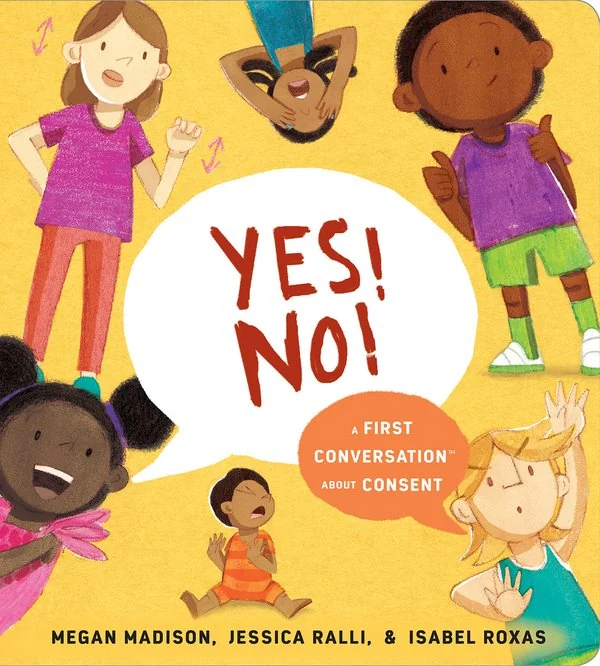
Yes! No! A First Conversation About Consent
By Megan Madison, Jessica Ralli, and Anne/Andy Passchier
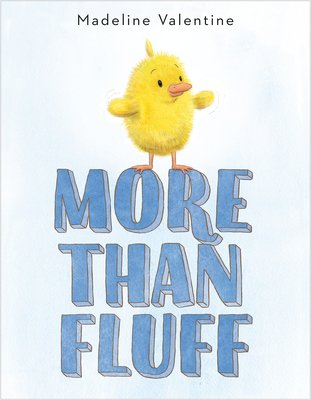
By Madeline Valentine
Elementary School
Consent and Elementary School-Aged Kids
This is where our 1st/2nd OWL, 4th grade puberty camp, and 6th grade OWL can really help both you and your child have language and understanding to learn together how to have conversations about consent.
We start with learning about asking before touching: “Can I touch your hair?” “Can I give you a hug?” Questions like this can be practiced with siblings, pets, and friends. Pets are the best consent educators! They can help children learn that consent can be communicated without saying “no.” This is also a great time for kids to learn how to say “no.” While parents and caregivers might find it hard to believe that their feisty child has a hard time saying “no,” saying “no” to friends is much different and more difficult than saying “no” to a safe grownup in their lives.
If you have not already done so, continue the practice of asking family and friends about asking before hugging your child. A 6-year-old who loved giving and receiving hugs may turn into an 11-year-old tween who is no longer comfortable with that touch. Reminding both kids and adults that consent must be reversible is key foundational knowledge.
Resources
Click on the book cover image to go to a link with details and to purchase each book. You can also check your local library for titles.
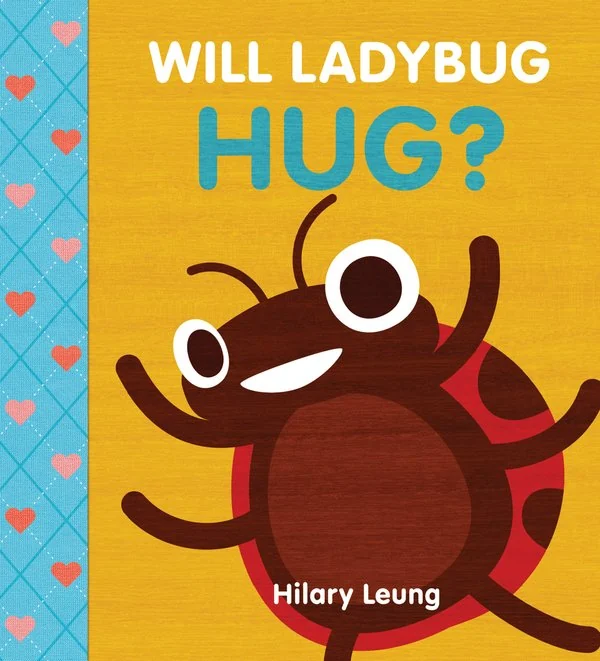
By Hilary Leung
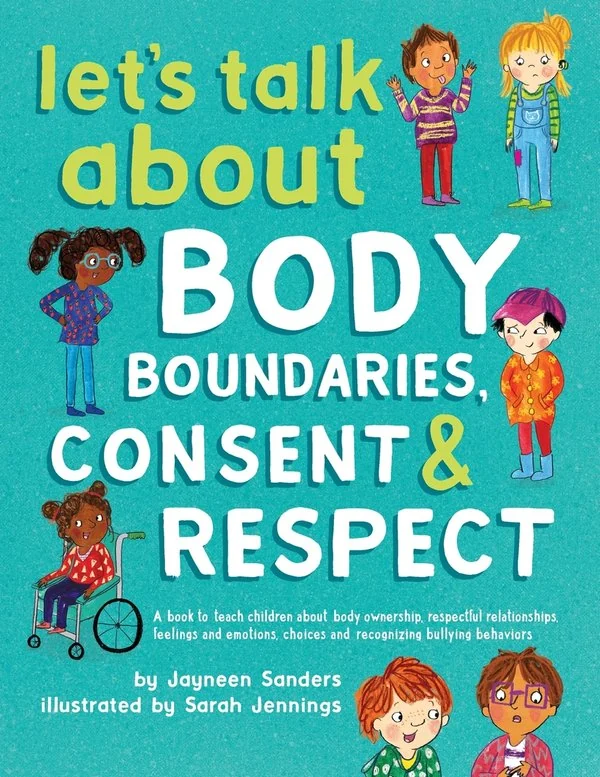
Let’s Talk About Body Boundaries, Consent and Respect
By Jayneen Sanders and Sarah Jennings
Middle and High School
Consent and Preteens/Teens
This is where our 6th grade OWL, 8th/9th grade OWL, and Senior High OWL can really help continue the consent conversations!
In this age group we continue the foundational knowledge and conversations about consent generally, while shining a new light on what it means to engage in consensual sexual and/or romantic relationships.
We want to delve into the nuance of what consent means when things are not clear: when there is an age-gap relationship or a power differential in the relationship, when one or more partner is under the influence of a substance, what verbal and non-verbal cues and indicators partners should consider, what cultural, gender, and racial norms or expectations might exist between partners, and how to practice saying no to friends, family, and partners.
Resources
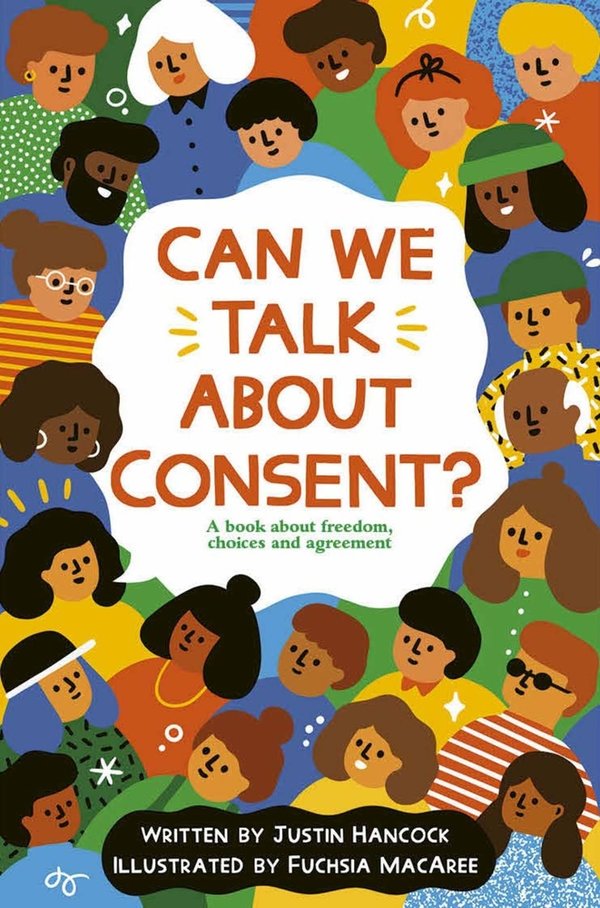
by Justin Hancock and Fuchsia MacAree
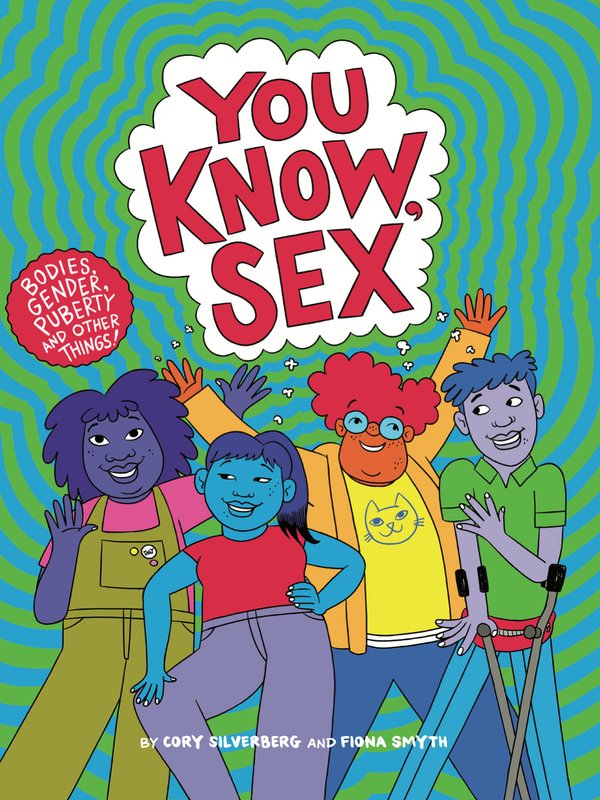
You Know, Sex: Bodies, Gender, Puberty, and Other Things
By Cory Silverberg and Fiona Smyth
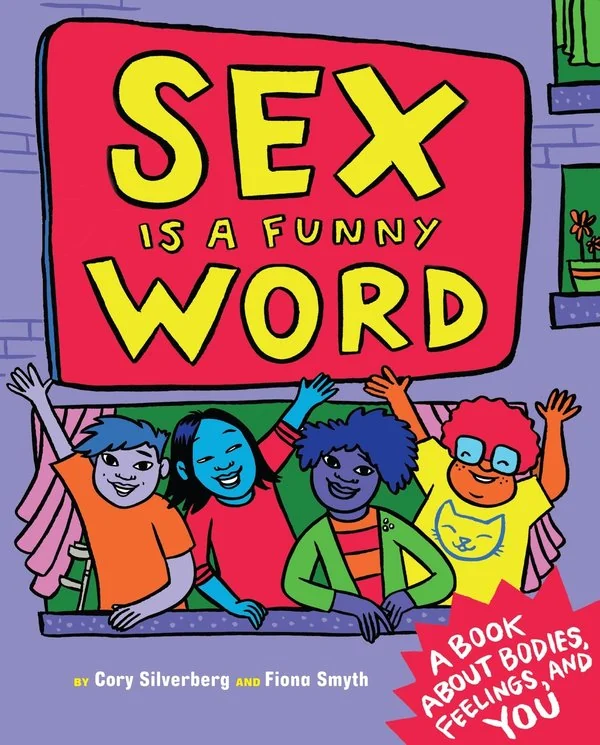
Sex is a Funny Word: A Book about Bodies, Feelings, and YOU
By Cory Silverberg and Fiona Smyth
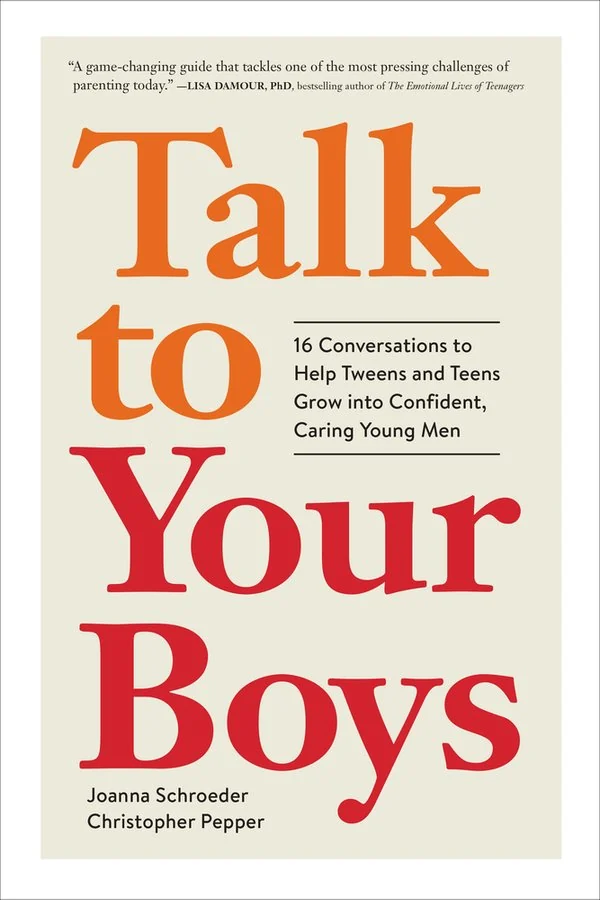
Talk to Your Boys: 16 Conversations to Help Tweens and Teens Grow Into Confident, Caring Young Men
by Joanna Schroeder and Christopher Pepper
SafeBAE is a youth-led organization working to end sexual violence before it starts, with trainings and other resources for youth and educators.
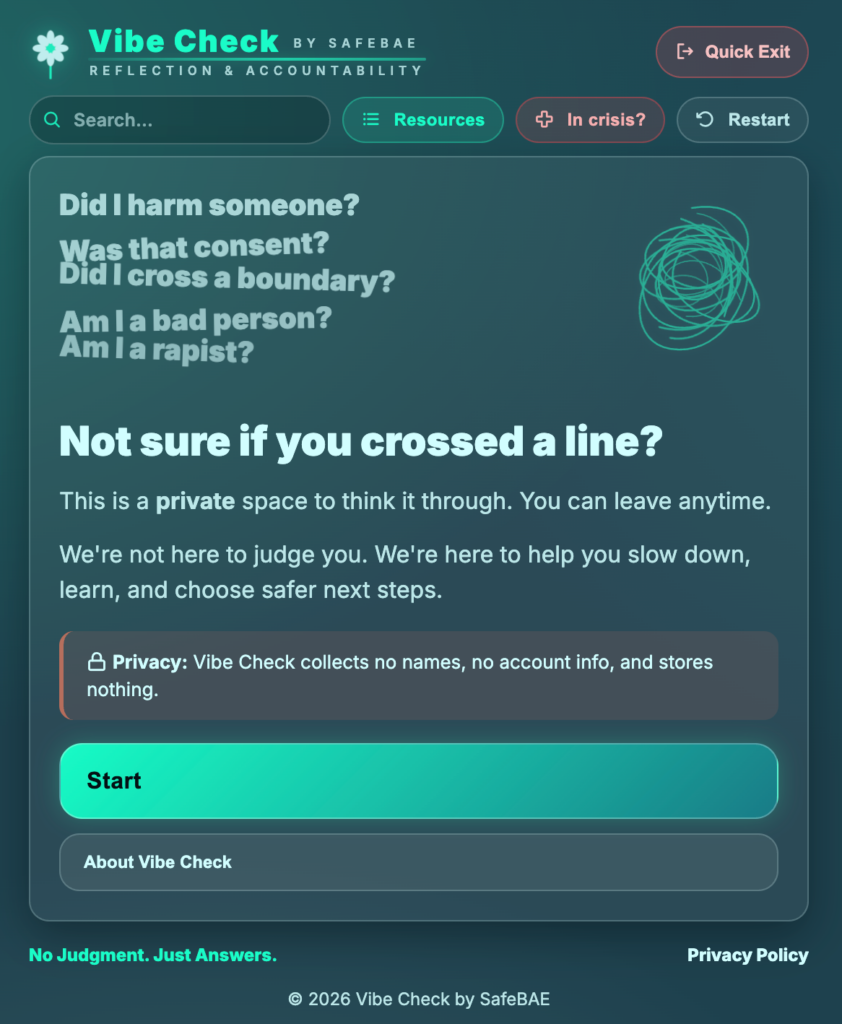
Check Your Vibe is a free, anonymous reflection tool designed for young people who are questioning whether they may have crossed a boundary or caused harm.
Offers LGBTQA+-specific resources and information about relationship violence, as well as tools and support for having healthy relationships.
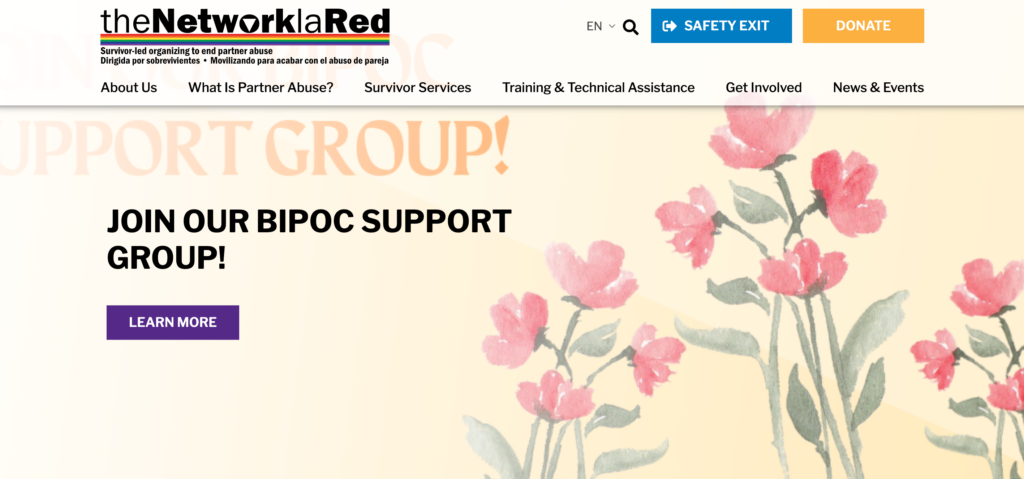
A survivor-led, social justice organization that works to end partner abuse in lesbian, gay, bisexual, transgender, kink, polyamorous, and queer communities. Information in Spanish and English.
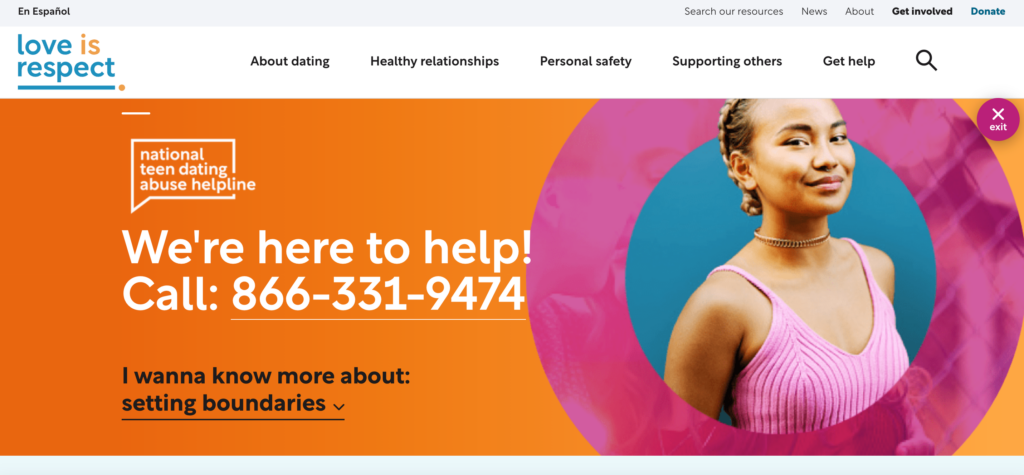
Resources to engage, educate, and empower young people to prevent and end abusive relationships.
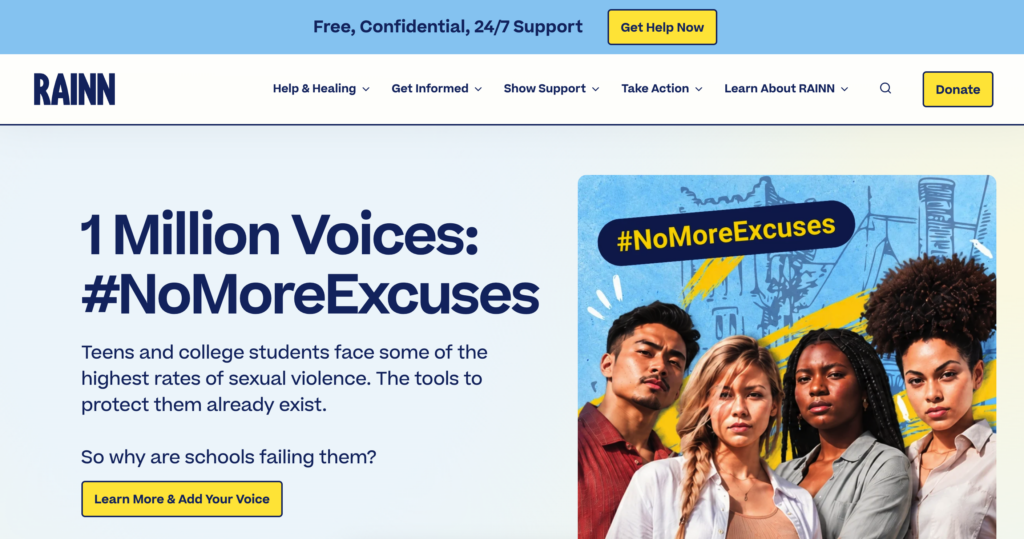
The nation’s largest anti-sexual violence organization and operator of the National Sexual Assault Hotline.
Books for Grownups raising teens
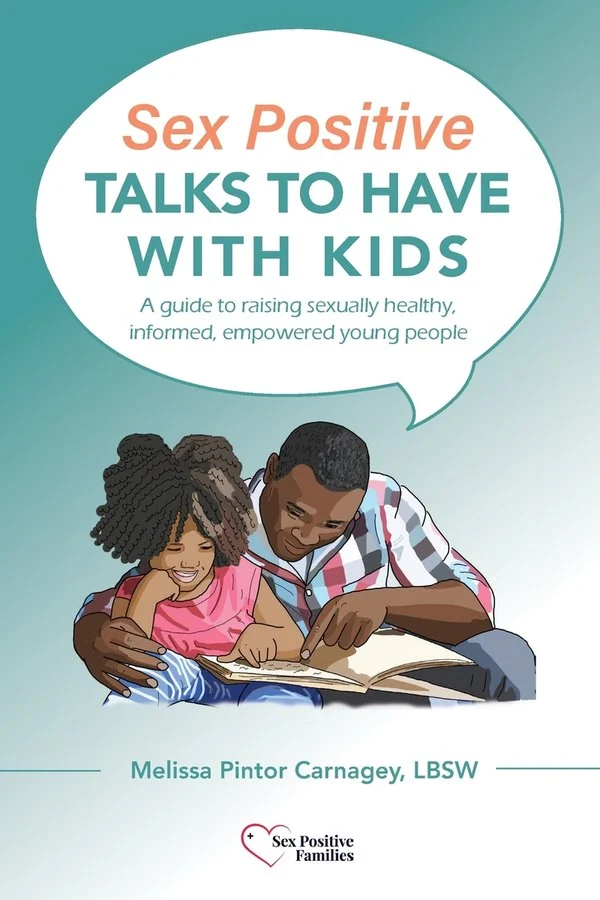
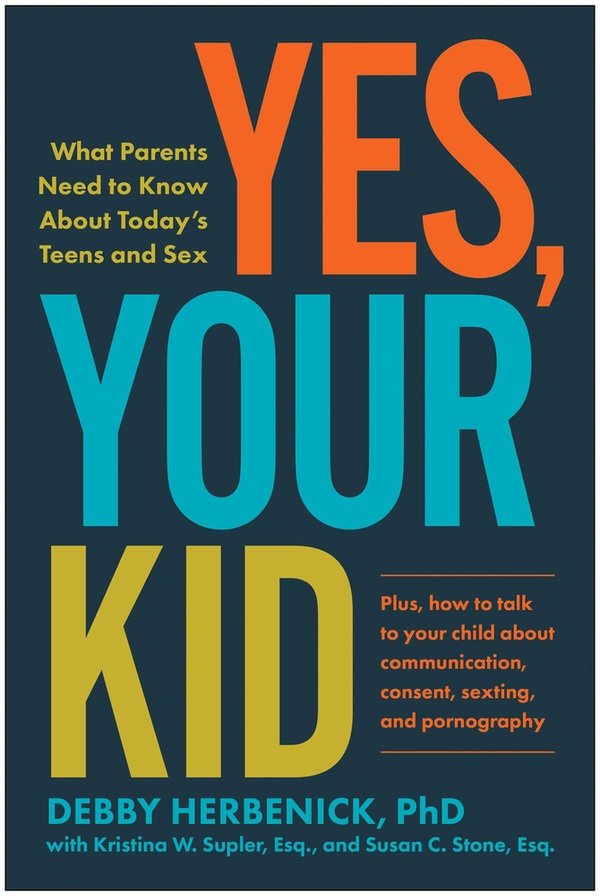
Yes, Your Kid: What Parents Need to Know About Today’s Teens and Sex
by Debby Herbenick
Adults
Consent for Adults
This is where our adult OWL programming shines! Our adult OWL curriculum includes information for adults of ALL ages, from the recent high school graduate to the centenarian. Consent education is ongoing and needed for adults.
Maybe you received amazing sexuality education as a youth. Maybe you learned on your own. Maybe you had good experiences, maybe you had bad experiences. No matter what your background is, you can always learn new and more things.
Whether you’re a young adult and this is the first time you’re living on your own in a different state/city/country from your family, or if the love of your life for the last 60 years just passed, or even if you’re just looking to grow and learn, consent education is important to know!
Resources
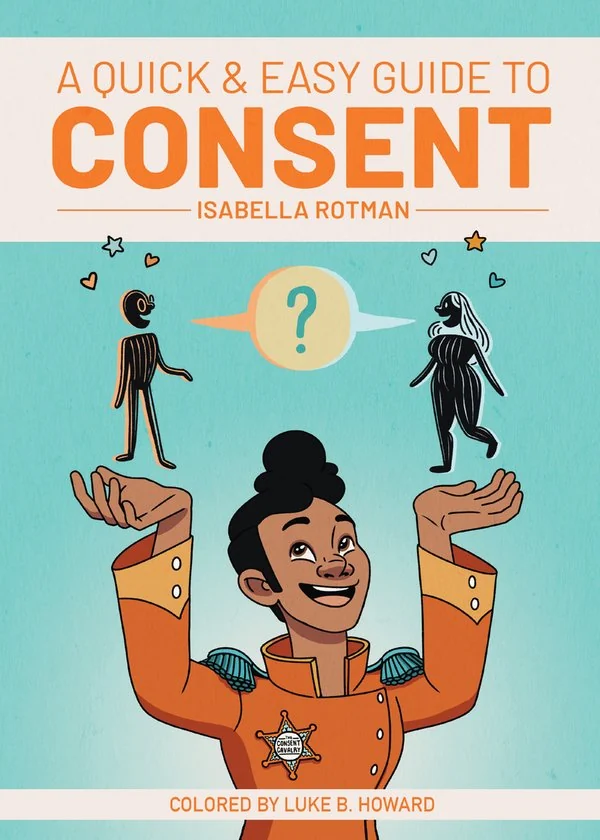
A Quick & Easy Guide to Consent
by Isabella Rotman, Luke Howard (Illustrator)
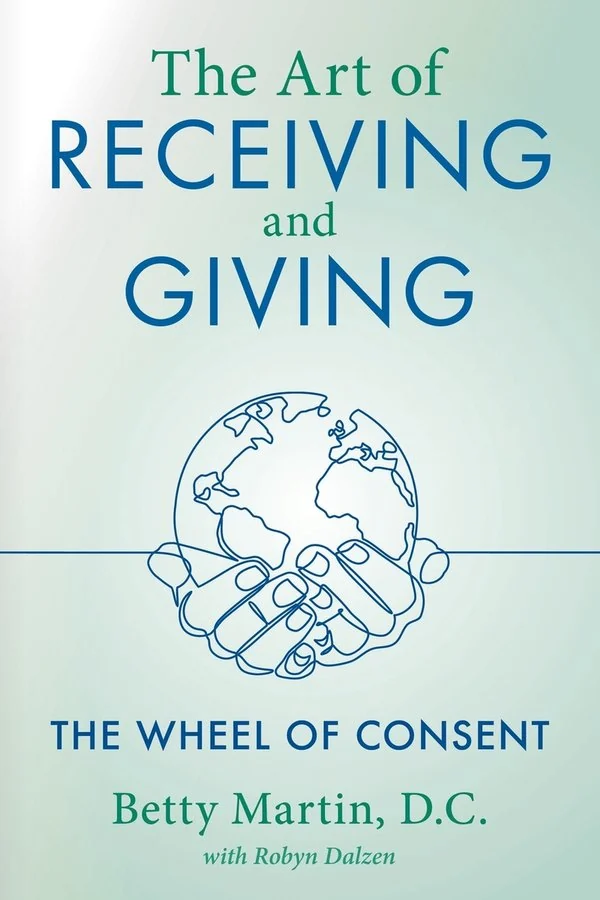
The Art of Receiving and Giving: The Wheel of Consent
by Betty Martin with Robyn Dalzen
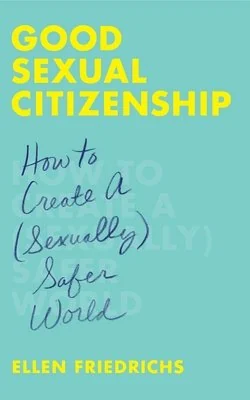
Good Sexual Citizenship: How to Create a (Sexually) Safer World
by Ellen Friedrichs
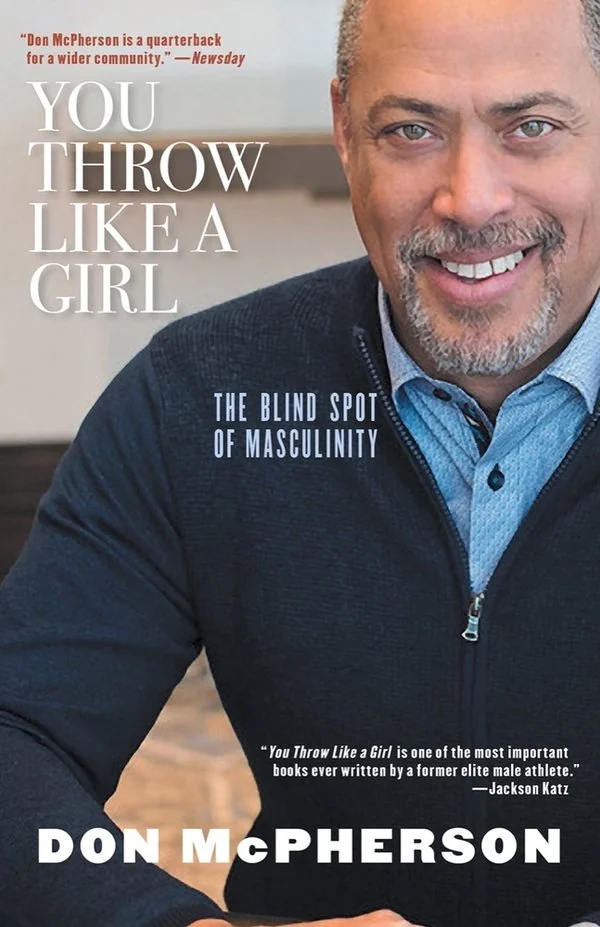
You Throw Like a Girl: The Blind Spot of Masculinity
by Don McPherson
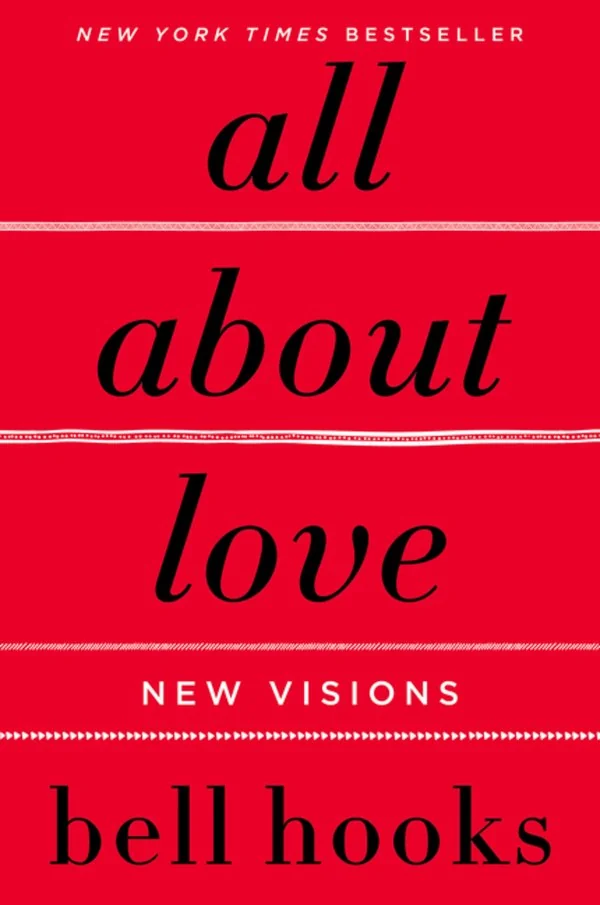
by bell hooks
SafeBAE is a youth-led organization working to end sexual violence before it starts, with trainings and other resources for youth and educators.
Check Your Vibe is a free, anonymous reflection tool designed for young people who are questioning whether they may have crossed a boundary or caused harm.
Offers LGBTQA+-specific resources and information about relationship violence, as well as tools and support for having healthy relationships.
A survivor-led, social justice organization that works to end partner abuse in lesbian, gay, bisexual, transgender, kink, polyamorous, and queer communities. Information in Spanish and English.
Resources to engage, educate, and empower young people to prevent and end abusive relationships.
The nation’s largest anti-sexual violence organization and operator of the National Sexual Assault Hotline.